Robotics Engineer & PhD
From algorithms to real robots.
Autonomous Robotics · Space Robotics · Field Robotics
C++ · Python · ROS2 · MATLAB · Robotics Simulation
(Section Under construction)
ABOUT ME
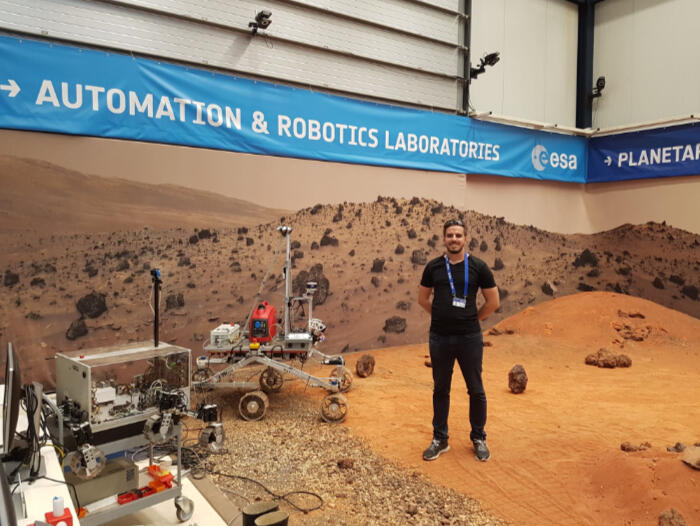
I'm a Robotics Engineer and PhD specialized in autonomous navigation and trajectory planning for mobile robots.My experience spans space, medical and field robotics, from algorithm development and simulation to robot integration and experimental testing in real-world environments.I have worked across academia and industry, including projects involving ESA, Airbus and robotic systems for space exploration, surgery and search & rescue.
+8 Years
Robotics Experience
PhD
Mechatronics & Robotics Engineering
Academia + Industry
Research · Engineering · Field Testing
EXPERTISE
From algorithm development and simulation to software integration and real-world validation.
AUTONOMY
Energy-efficient path planning
Obstacle avoidance
Path following control
Manipulator motion planning
MODELLING & SIMULATION
Robot kinematic & dynamic modelling
Physics-based simulation
Workspace & reachability analysis
Simulation-to-real algorithm validation
SOFTWARE DEVELOPMENT
Algorithm implementation
Robotics software integration
Version control
Unit & integration testing
EXPERIMENTAL VALIDATION
Test planning & design
Robot setup & deployment
Indoor & outdoor testing
Results analysis & evaluation
TECHNOLOGIES
PROGRAMMING
C++ · Python · C · MATLABROBOTICS
ROS · ROS2 · MoveItSIMULATION
CoppeliaSim · Gazebo · Vortex · MuJoCo · SimMechanicsTOOLS
Git · TwinCAT · Blender
PROJECTS
SPACE & PLANETARY ROBOTICS

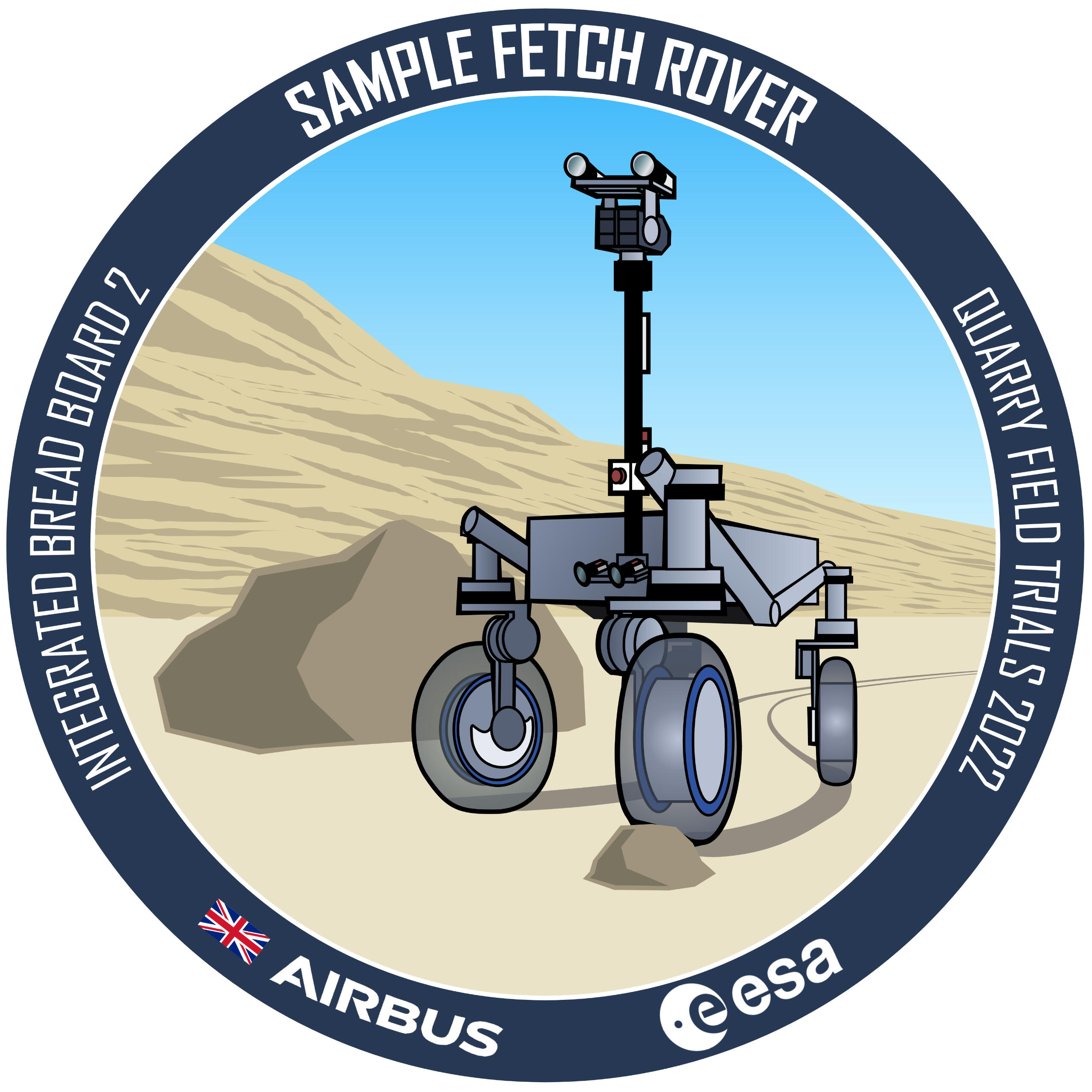
My experience at AIRBUS includes projects aimed at improving the autonomy capabilities of a rover, in the context of the Sample Fetch Rover mission.
IBB4
IBB3
IBB2
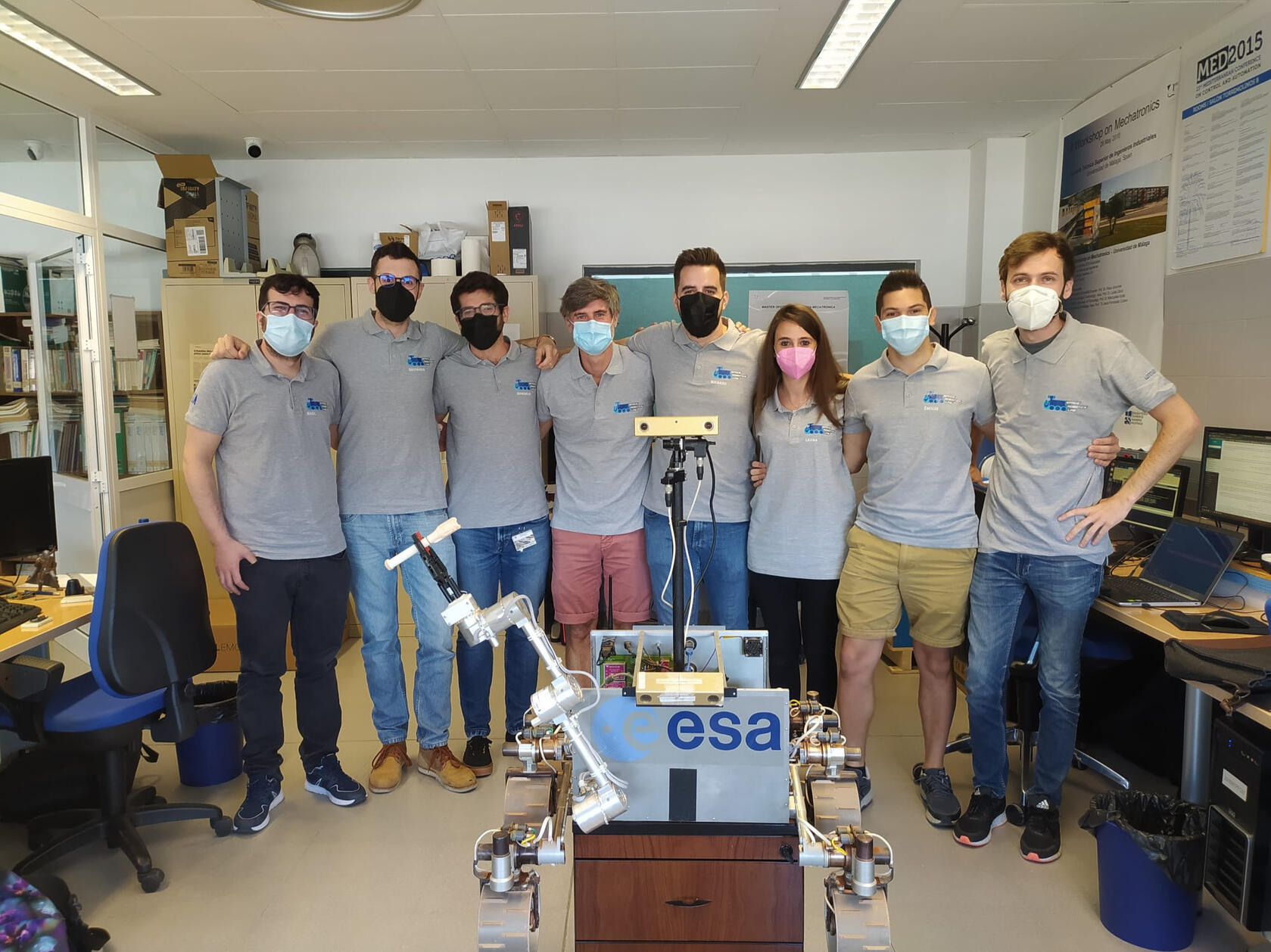
I did my PhD at the Space Robotics Lab of the University of Malaga. This allowed me to participate in european projects (H2020 ADE) as well as in collaborations with the European Space Agency (ESA).

Autonomous decision making in long traverses

Path planning in extreme terrains - long traverses

Path planning in extreme terrains - Reconfigurable rovers

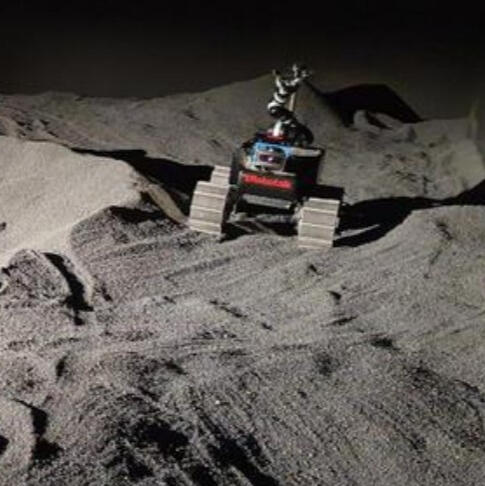
During my short stay at the University of Luxembourg I helped with the preparations for the Space Resources Challenge and investigating path planning techniques for navigating a lunar environment.
FireSparx - ESA-ESRIC SPACE RESOURCES CHALLENGE
FireSparx - Risk-aware path planning
MEDICAL / SURGICAL


SEARCH & RESCUE

AGRICULTURE


ROBOTS
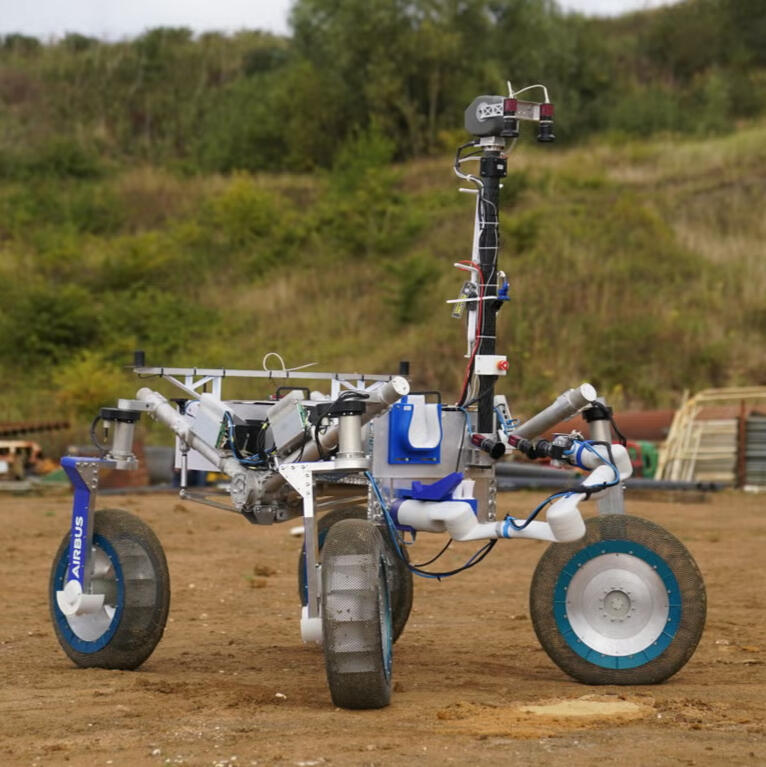
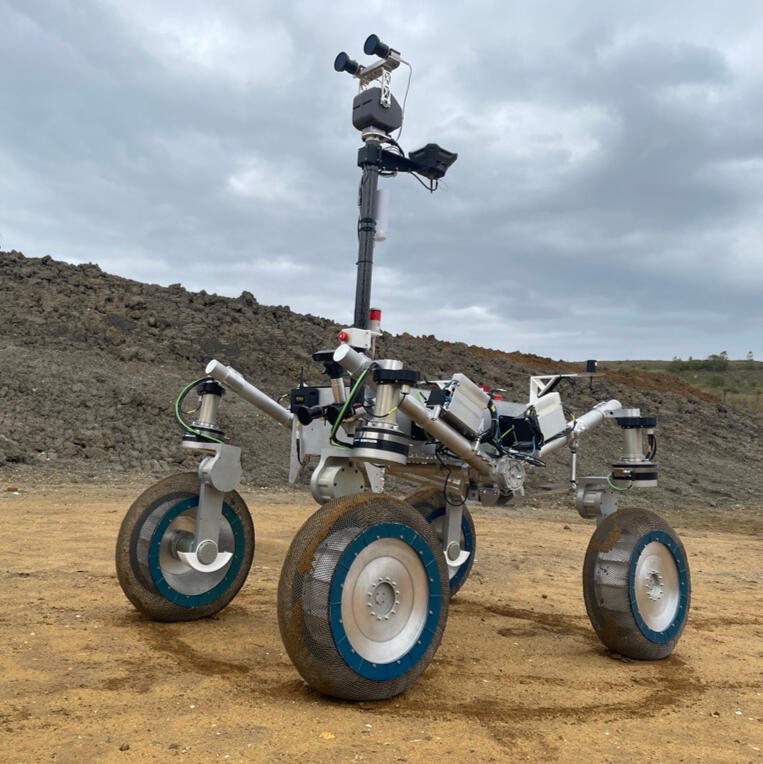
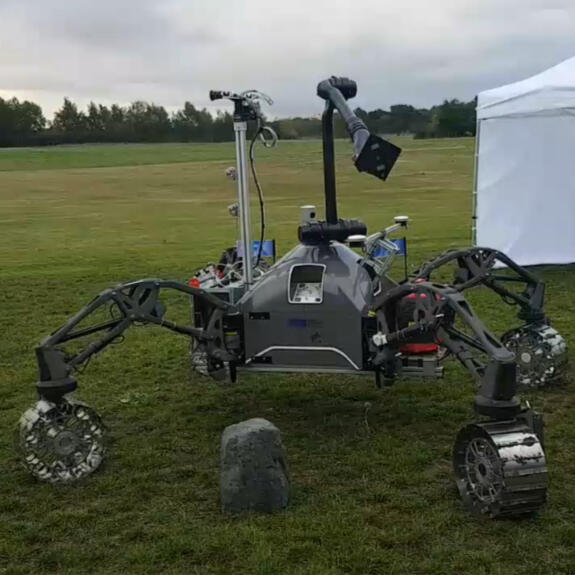
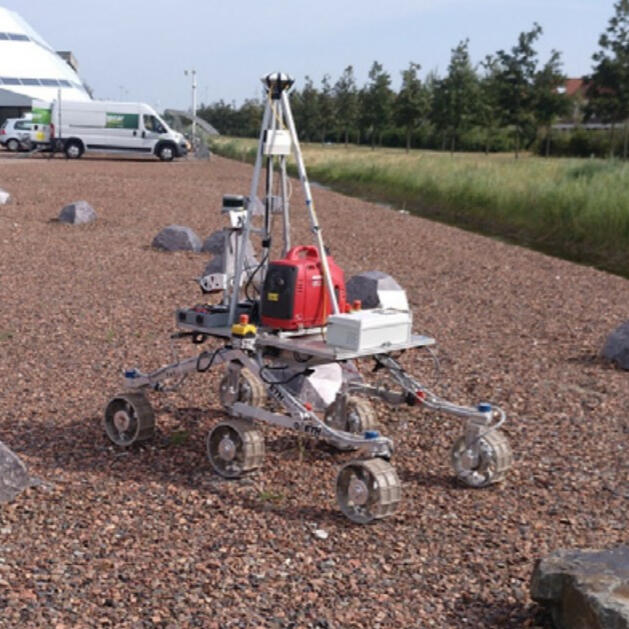
H2020 ADE - Autonomous Decision making in long traverses


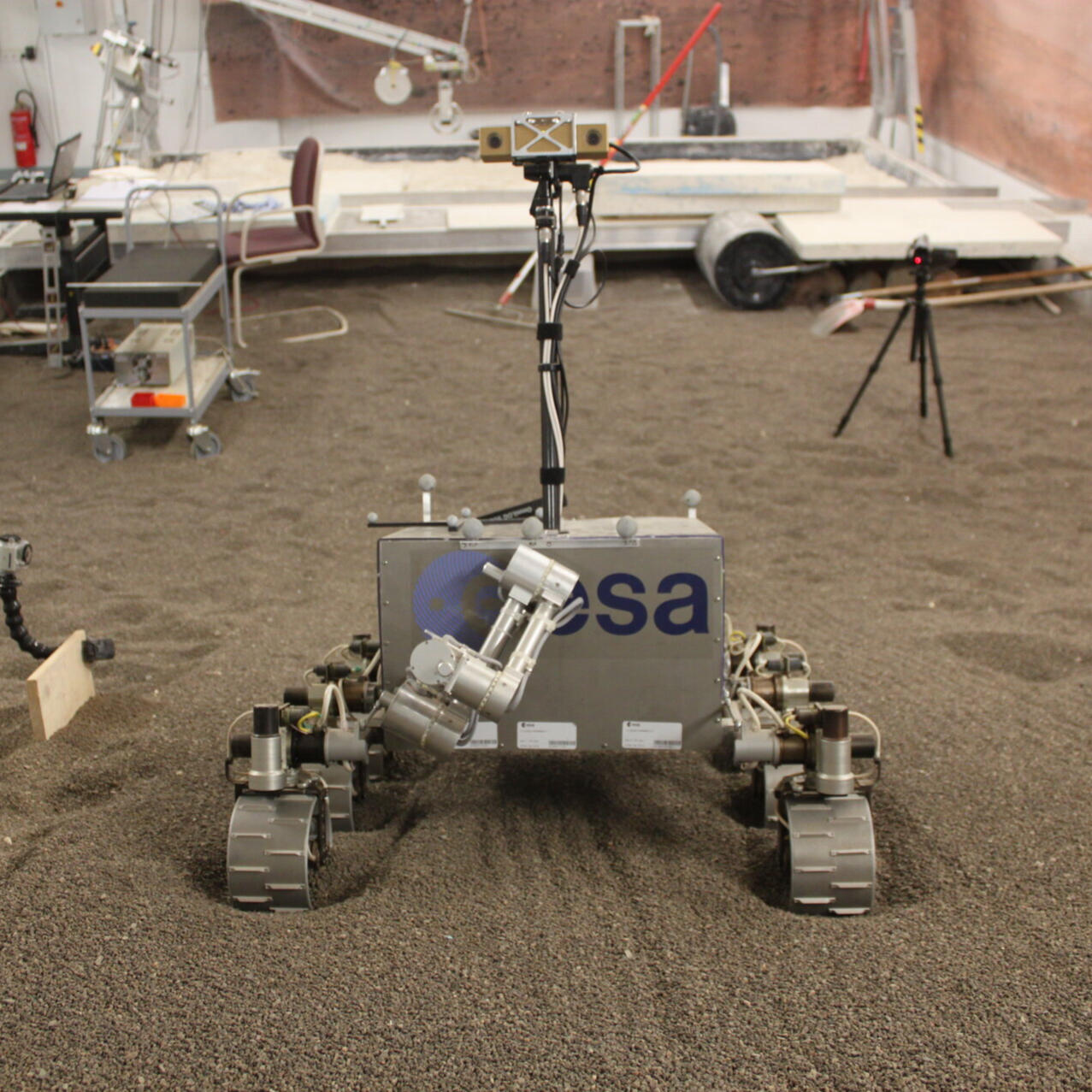
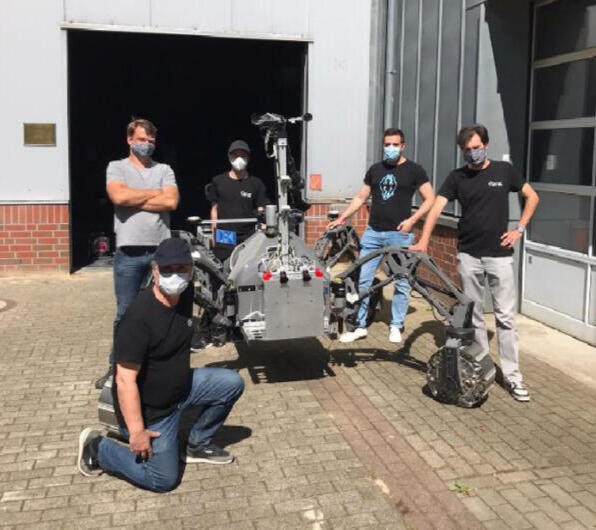
ADE (Autonomous Decision Making in Very Long Traverses) was an EU-funded project aimed at developing and demonstrating a planetary rover capable of travelling long distances with a high degree of autonomy. The system combined autonomous navigation, opportunistic science and onboard decision-making so that the rover could adapt its mission plan when encountering hazards or scientifically interesting features, while respecting available resources and mission constraints.
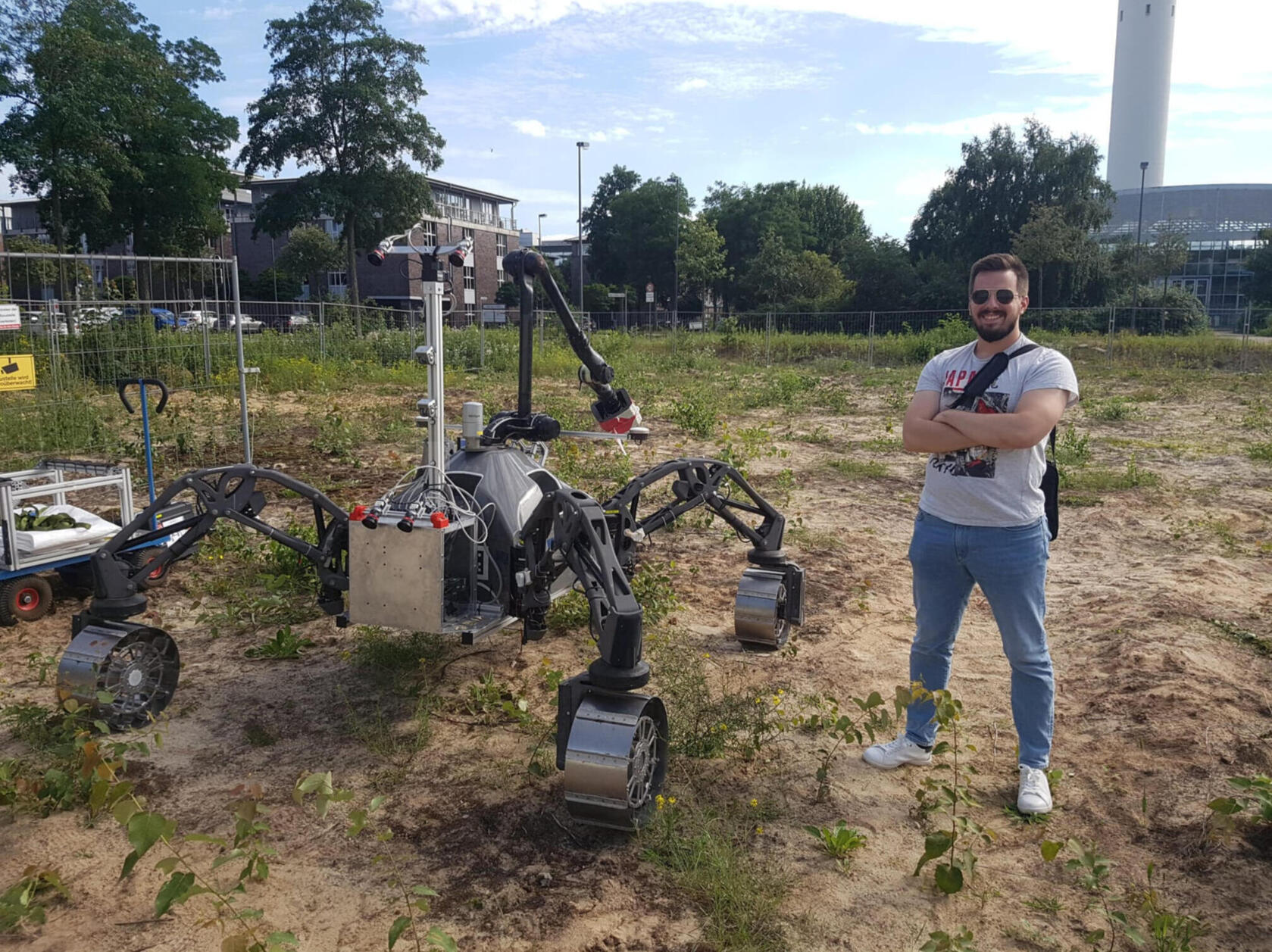
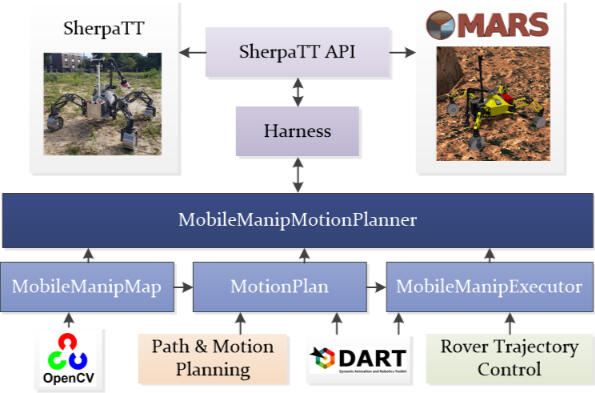
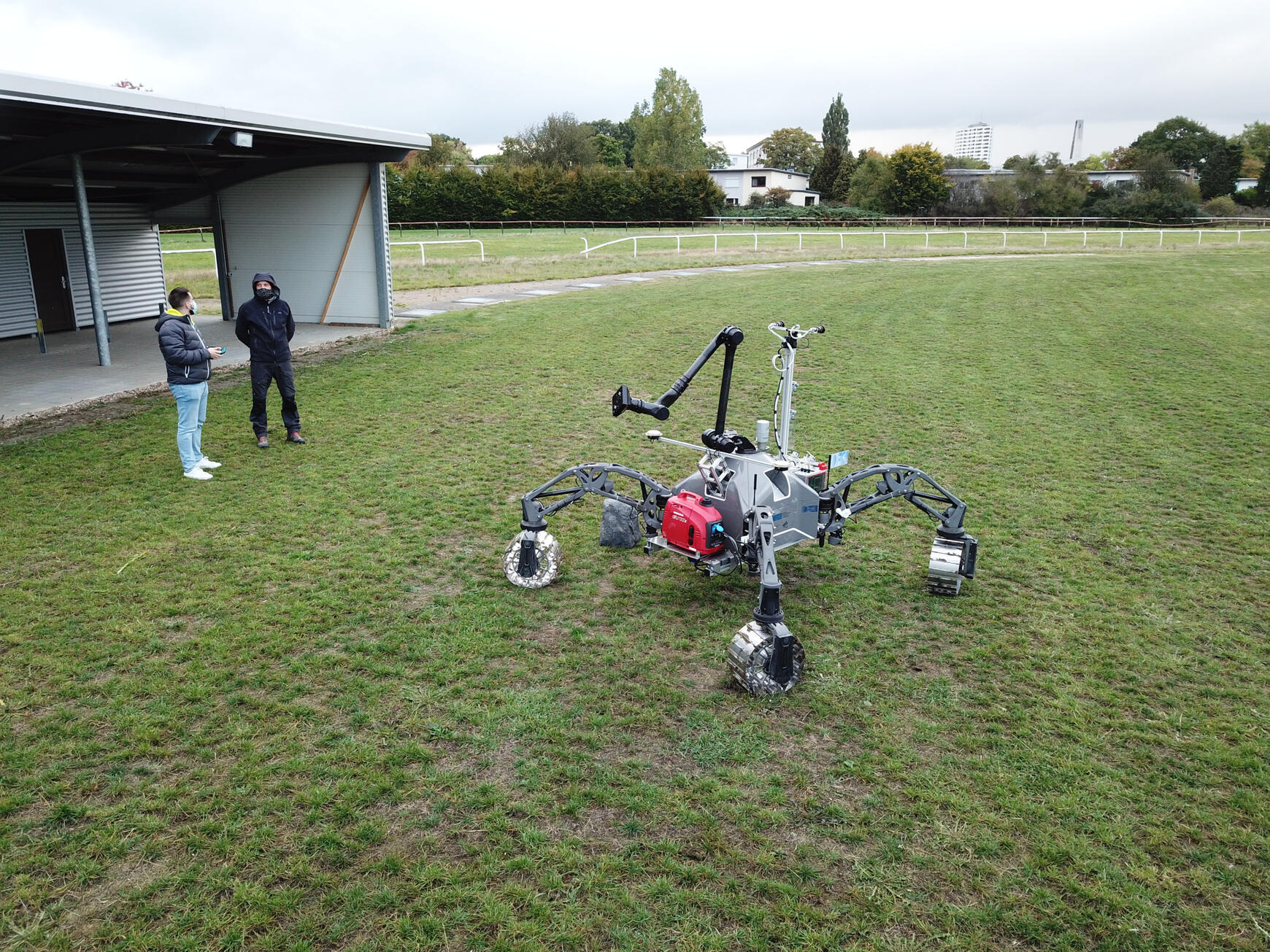
I developed C++ motion-planning and control software for the project’s mobile manipulator, covering both rover navigation and robotic-arm motion. My work included rover path planning and path following, a last-section controller for accurate end-effector placement, 3D arm path planning, inverse-kinematics integration and online collision checking. The software was developed to comply with the interface requirements defined by the project coordinator, ensuring compatibility with the wider system architecture.
ESA - UMA Collaboration: Path Planning in extreme terrains


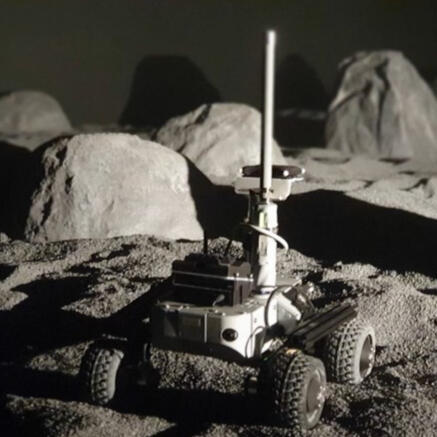
The first collaboration between the University of Málaga (UMA) and the Planetary Robotics Lab of the European Space Agency (ESA) focused on enhancing the path planning capabilities of reconfigurable rovers.
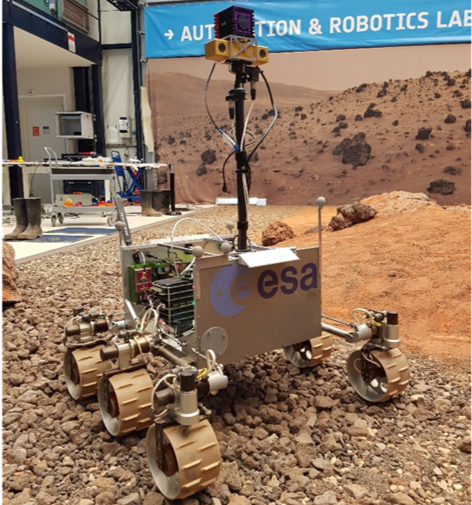
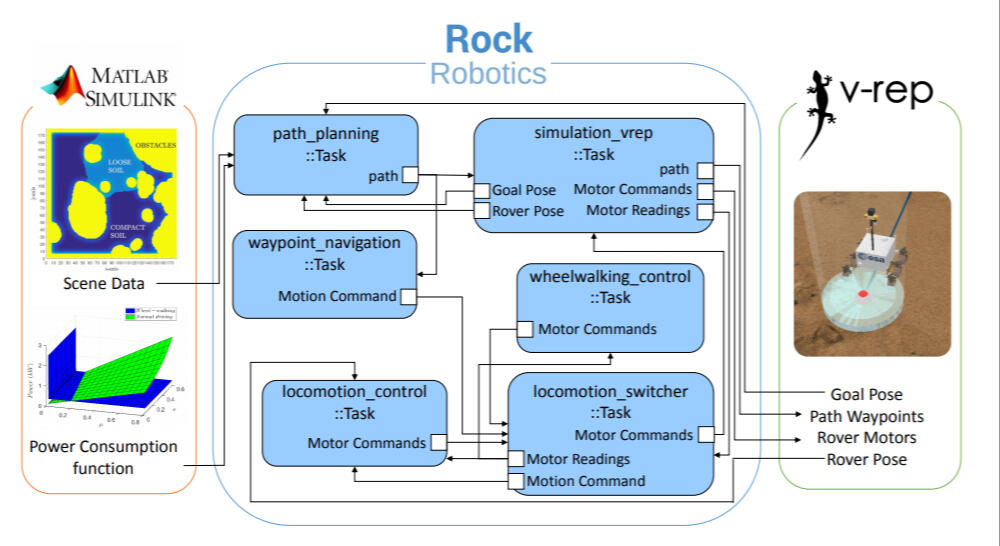
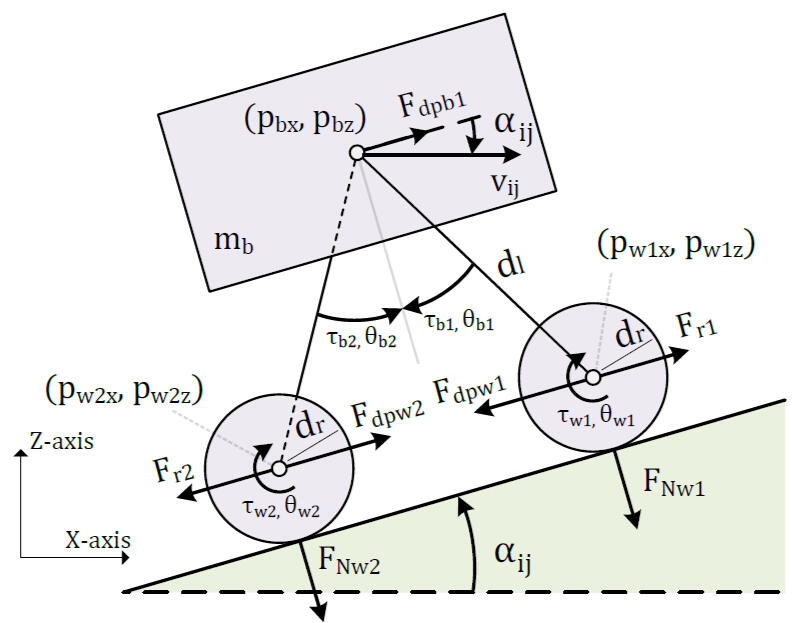
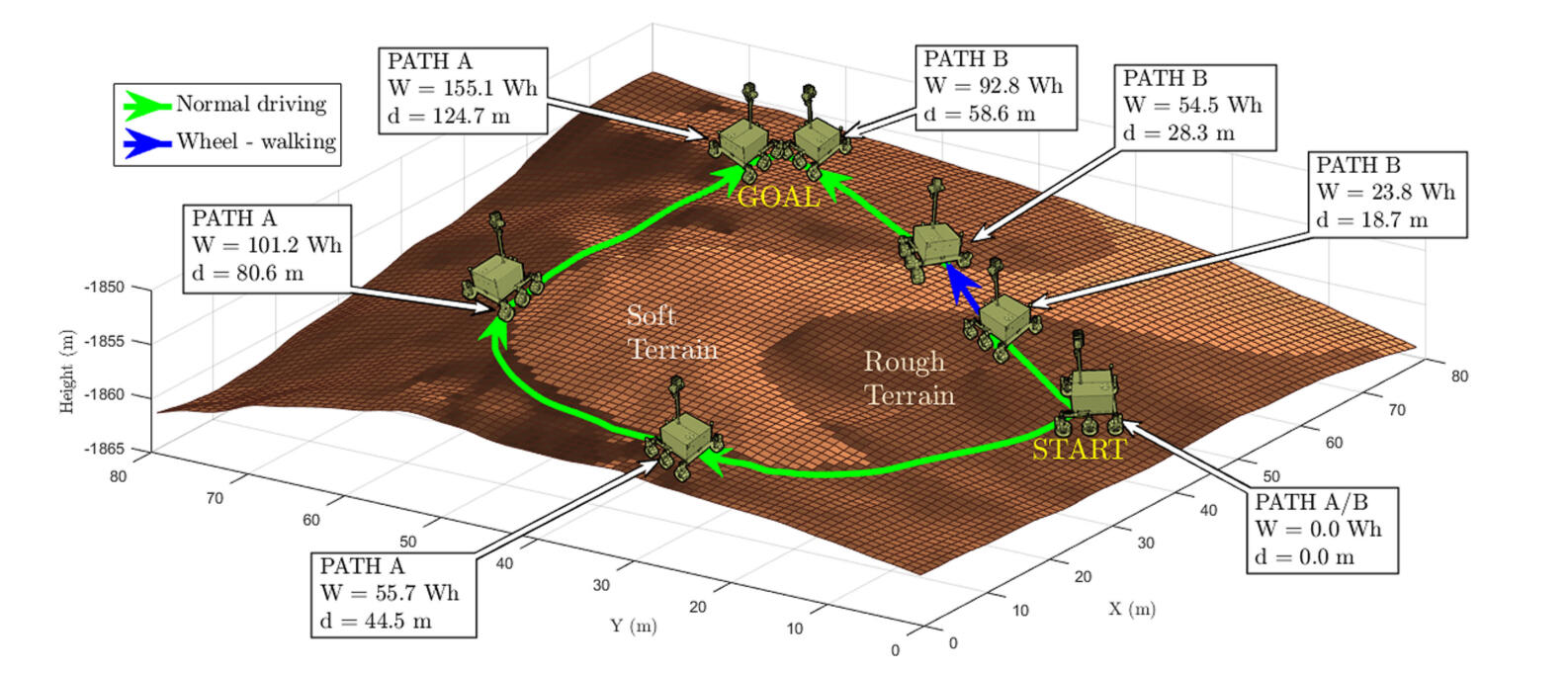
This project allowed me to develop a simulation environment to test and validate path planning algorithms using V-REP (now known as CoppeliaSim).
ESA - UMA Collaboration: Path Planning in extreme terrains


Development and implementation of the Dynamic Multilayered (DyMu) path planning algorithm for optimal long traverse navigation.

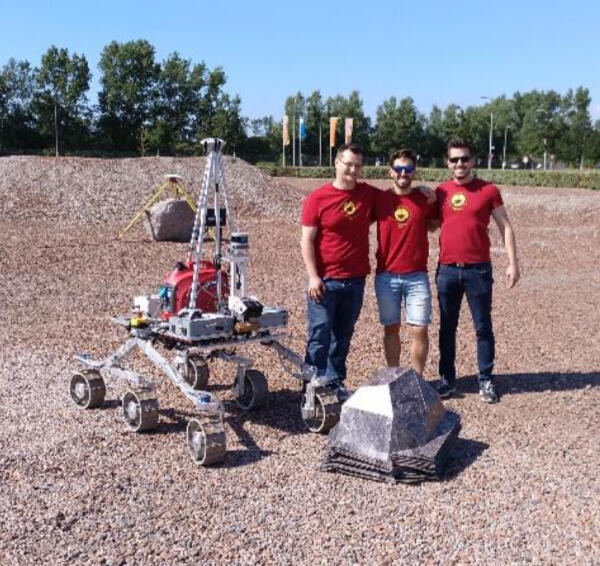
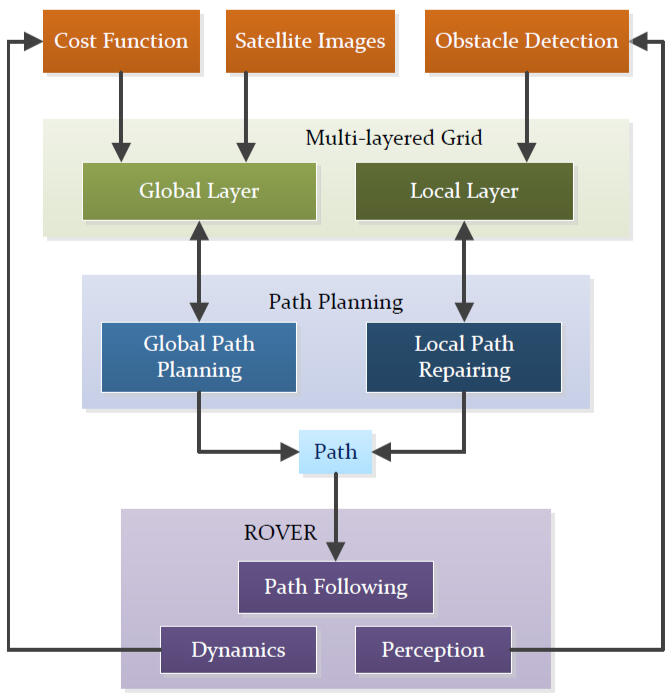
Development and implementation in C++ of path planning algorithms for extreme terrains and for reconfigurable rovers. Validation with indoors and outdoors field testing.
Collaboration between University of Malaga and European Space Agency.
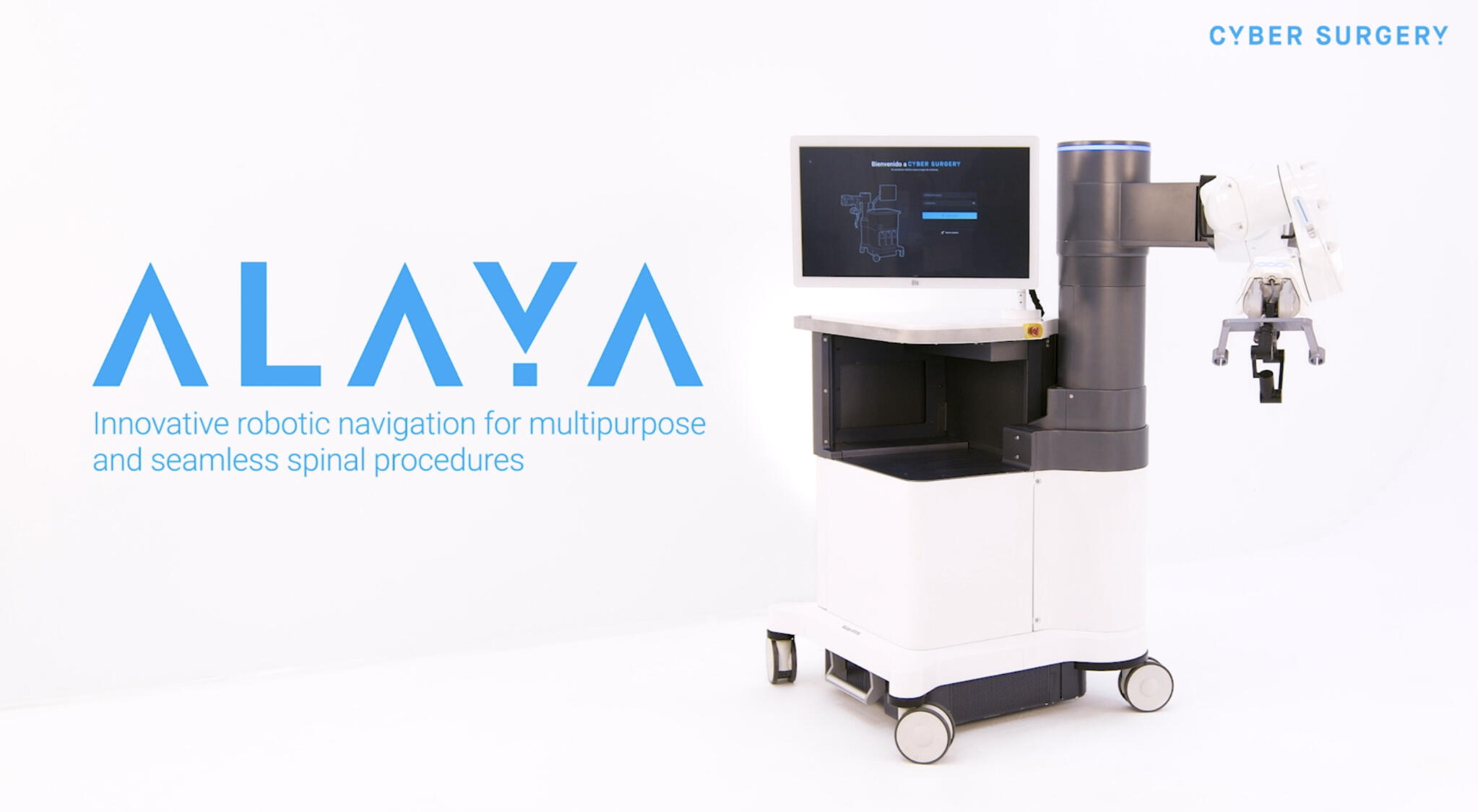
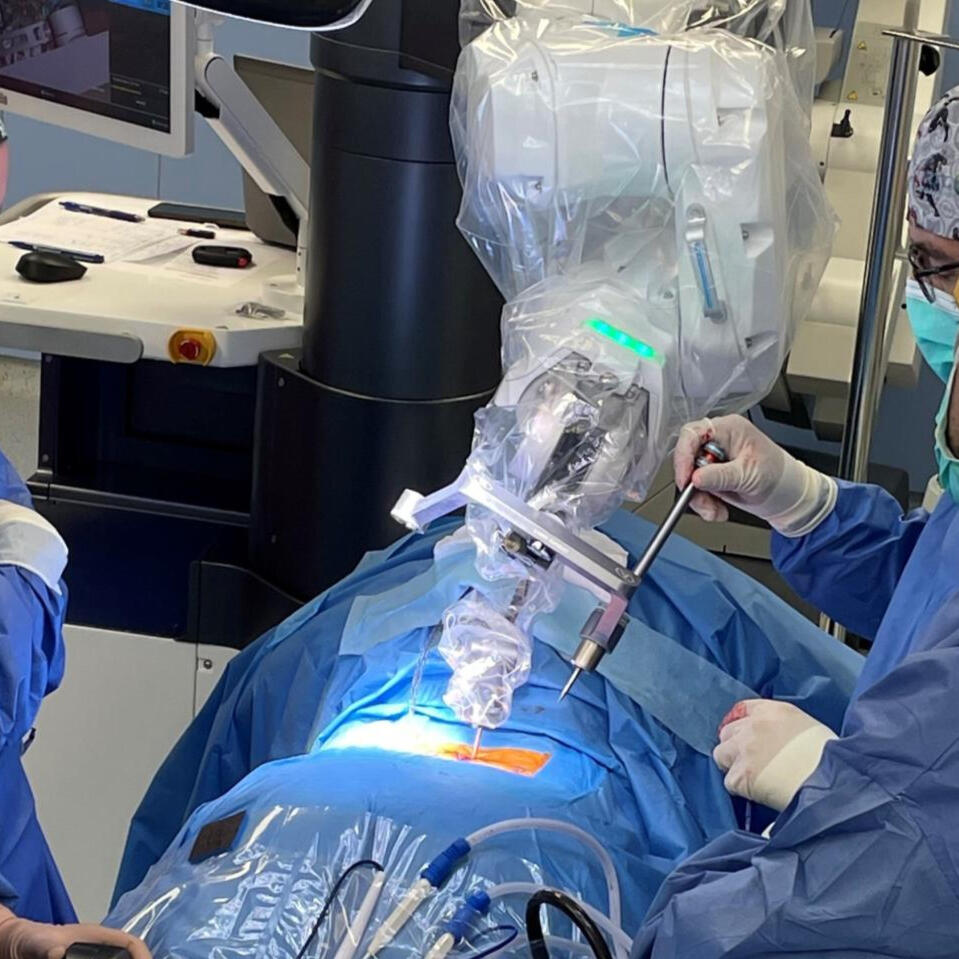
Spine Robotic Assistant Alaya


ALAYA is Cyber Surgery’s robotic assistant for spine surgery, designed to support surgical planning and instrument guidance during spinal procedures. The system uses a patented kinematic navigation technology to provide continuous patient tracking without relying on external cameras, aiming to improve precision while simplifying integration into the surgical workflow.
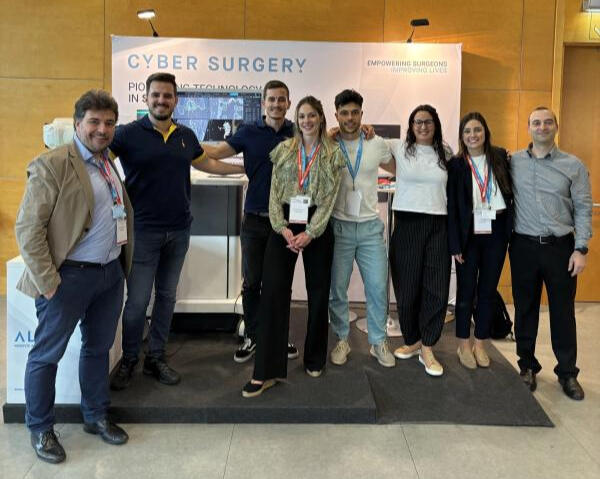


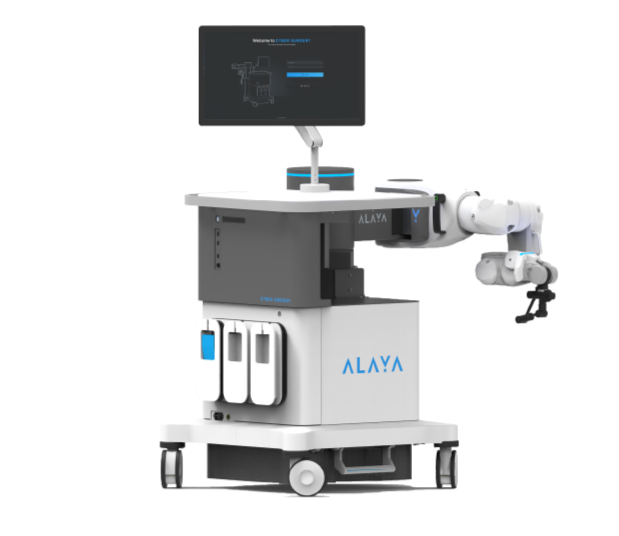
I contributed to the development and validation of ALAYA’s robotic software, including the implementation and testing of software components in accordance with IEC 62304. My work also involved TwinCAT Structured Text development for the Beckhoff PLC, bug fixing and usability improvements, as well as simulation-based analyses of the robot workspace, reachability and interaction forces to support the safe operation of the surgical assistant.


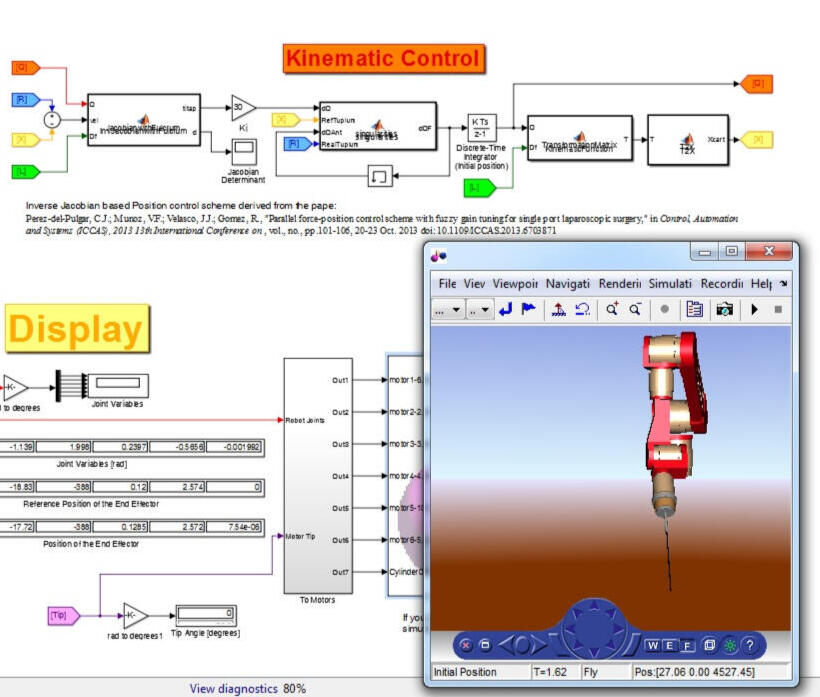
Simulink diagram that simulates a 6DoF manipulator that has been used in surgical robotics.
The diagram solves the constrained movements of a manipulator that holds a surgical instrument that is introduced inside the patient's abdomen using a trocar. In this situation, the movements are performed taking into account the insertion point (fulcrum). To solve this issue, a Jacobian based position control scheme has been used, which is able to generate the manipulator joint angles references to perform a movement taking into account a previously fixed fulcrum point. The obtained joint angles are then used to animate a 3D model (VRML) of the 6DoF manipulator. Morever, this 3D model allows to place the instrument tip at any orientation using Euler ZYZ angles or a rotation matrix.
The 3D model can also be used for teaching or research purposes, e.g. to calculate its kinematics.The Jacobian based position control scheme has been presented in the paper:
Perez-del-Pulgar, C.J.; Munoz, V.F.; Velasco, J.J.; Gomez, R., "Parallel force-position control scheme with fuzzy gain tuning for single port laparoscopic surgery," in Control, Automation and Systems (ICCAS), 2013 13th International Conference on , vol., no., pp.101-106, 20-23 Oct. 2013.
doi: 10.1109/ICCAS.2013.6703871Please, reference this paper if you use the model.This work has been developed by the University of Malaga students:
Ana María Gómez Delgado
José Ricardo Sánchez Ibáñez
Ignacio Alzugaray López
Pedro Cervera Pedregosa
Juan José Velasco ManzanaresCite As
Carlos Pérez del Pulgar (2025). 6DoF robot simulink diagram for simulation (https://www.mathworks.com/matlabcentral/fileexchange/54455-6dof-robot-simulink-diagram-for-simulation), MATLAB Central File Exchange. Retrieved March 4, 2025.
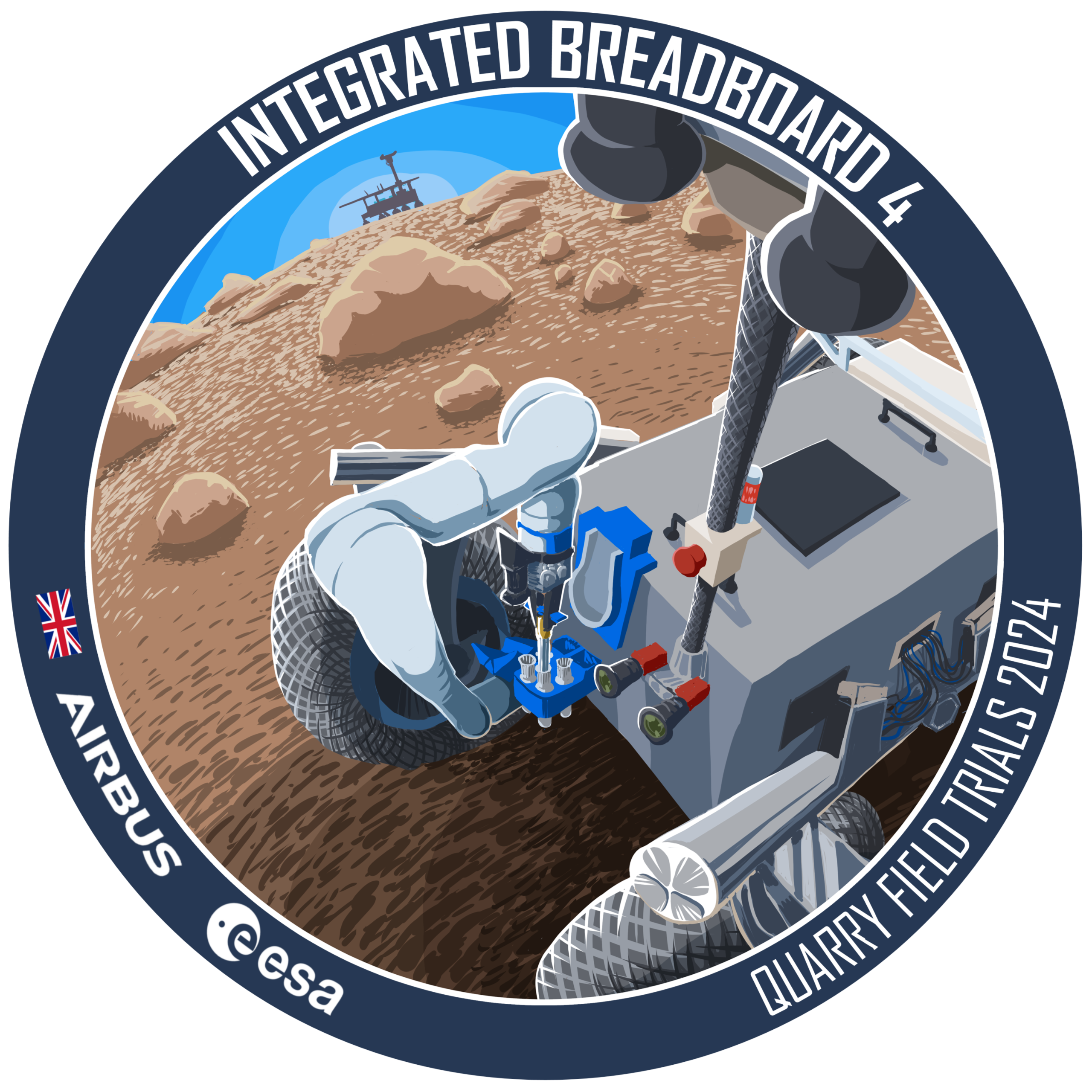
IBB4 - Integrated Breadboard 4

IBB4 focused on demonstrating fully autonomous sample-retrieval operations for future planetary exploration missions. During field trials in a UK quarry, the rover autonomously navigated challenging terrain, accurately positioned itself near a sample tube, detected and retrieved it using its robotic arm, and safely stowed it without human intervention.
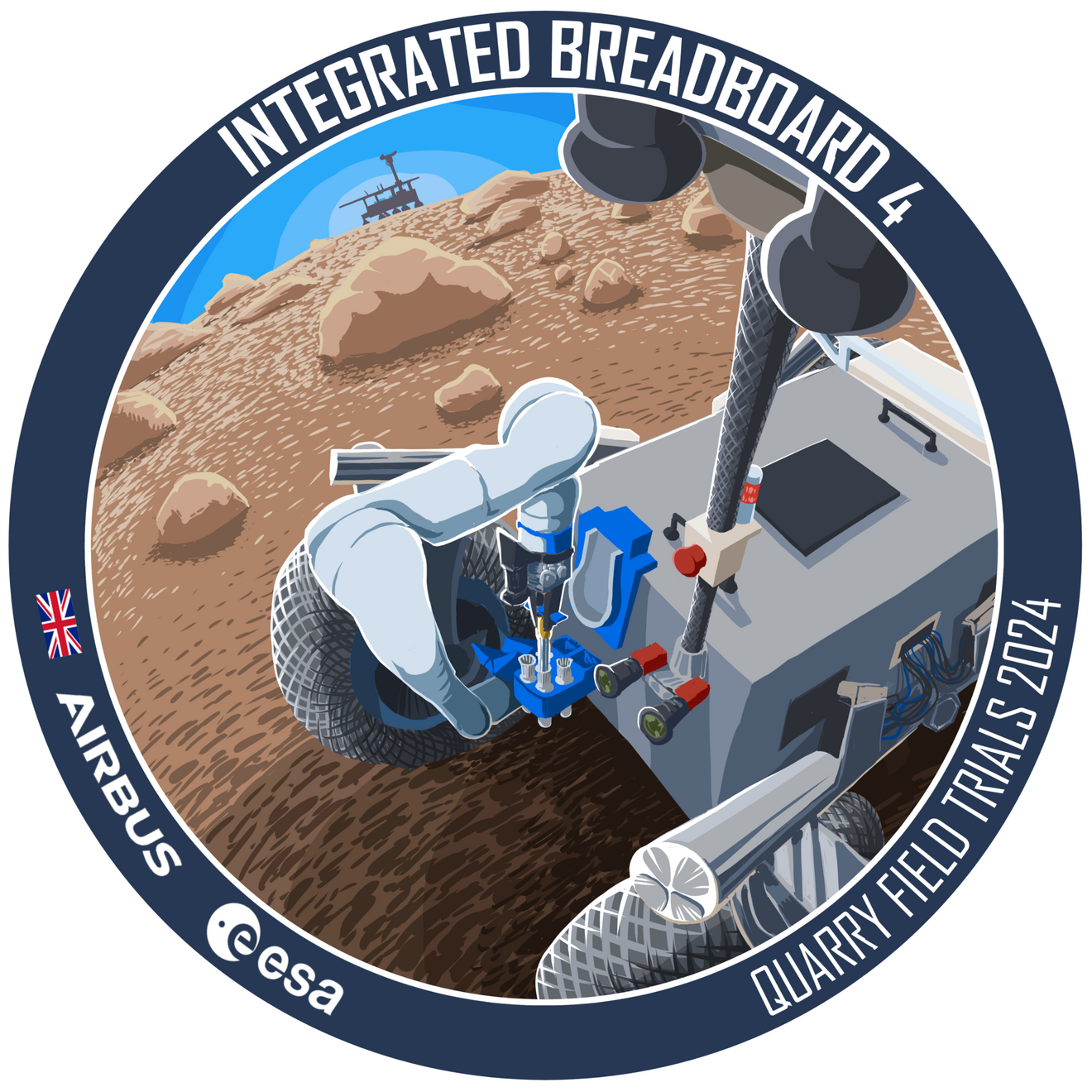
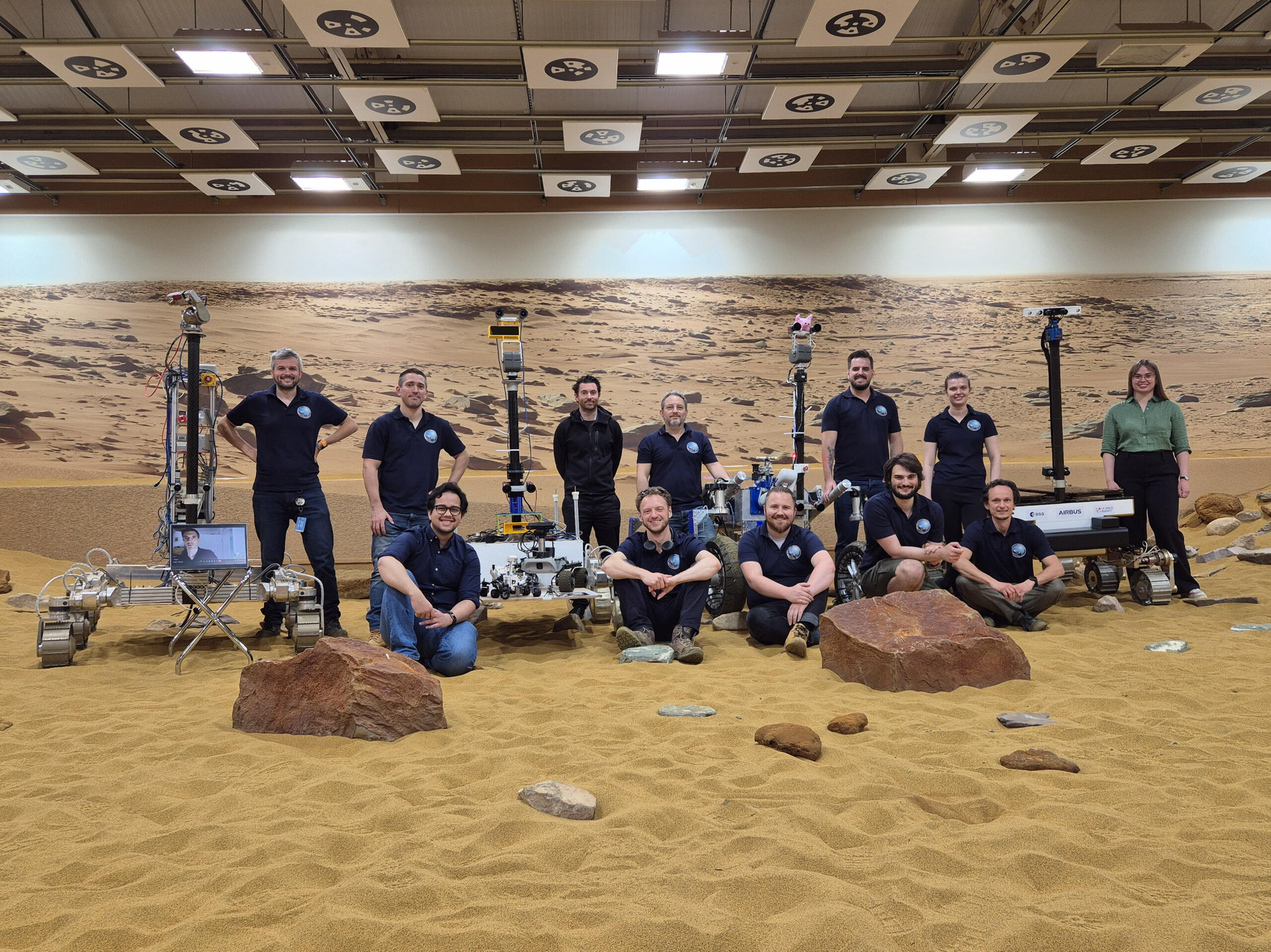
I developed and integrated a C++ solution based on ROS2 and MoveIt for planning and controlling the rover’s robotic arm. This included building the robot URDF from detailed CAD data, adapting the arm driver to the project needs, and integrating the motion-planning software with the higher-level system developed by the rest of the team. I also worked on practical planning issues such as joint wrapping, singular configurations and unexpected OMPL behaviour, and contributed to the creation of stereo-image datasets used to evaluate an external visual detection system.
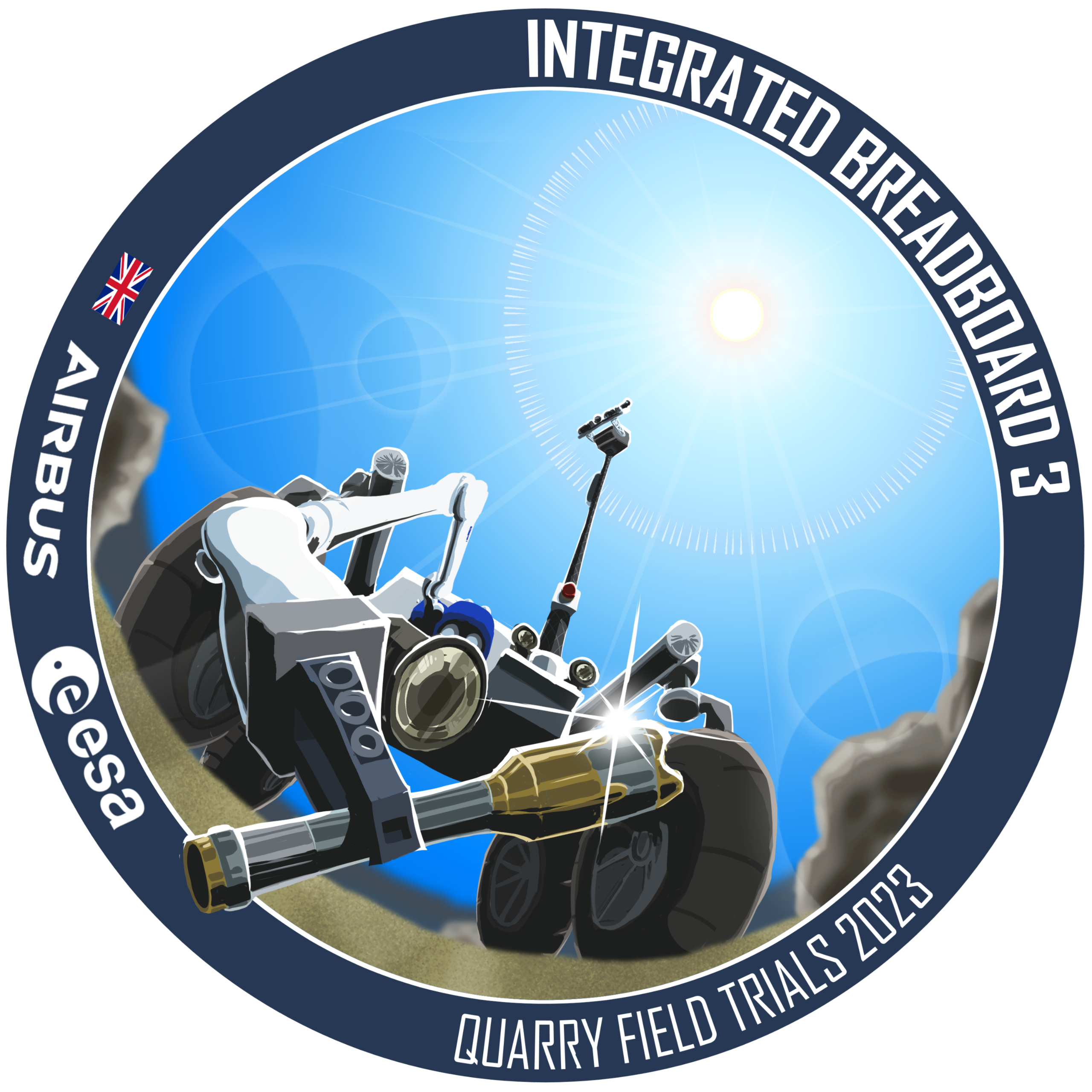
IBB3 - Integrated Breadboard 3

IBB3 focused on demonstrating an integrated autonomous rover system for future Mars sample-return missions. The rover combined long-range autonomous traverse, localisation and obstacle avoidance with a robotic arm capable of detecting, collecting and storing sample tubes, and was validated through extensive field trials in a UK quarry.
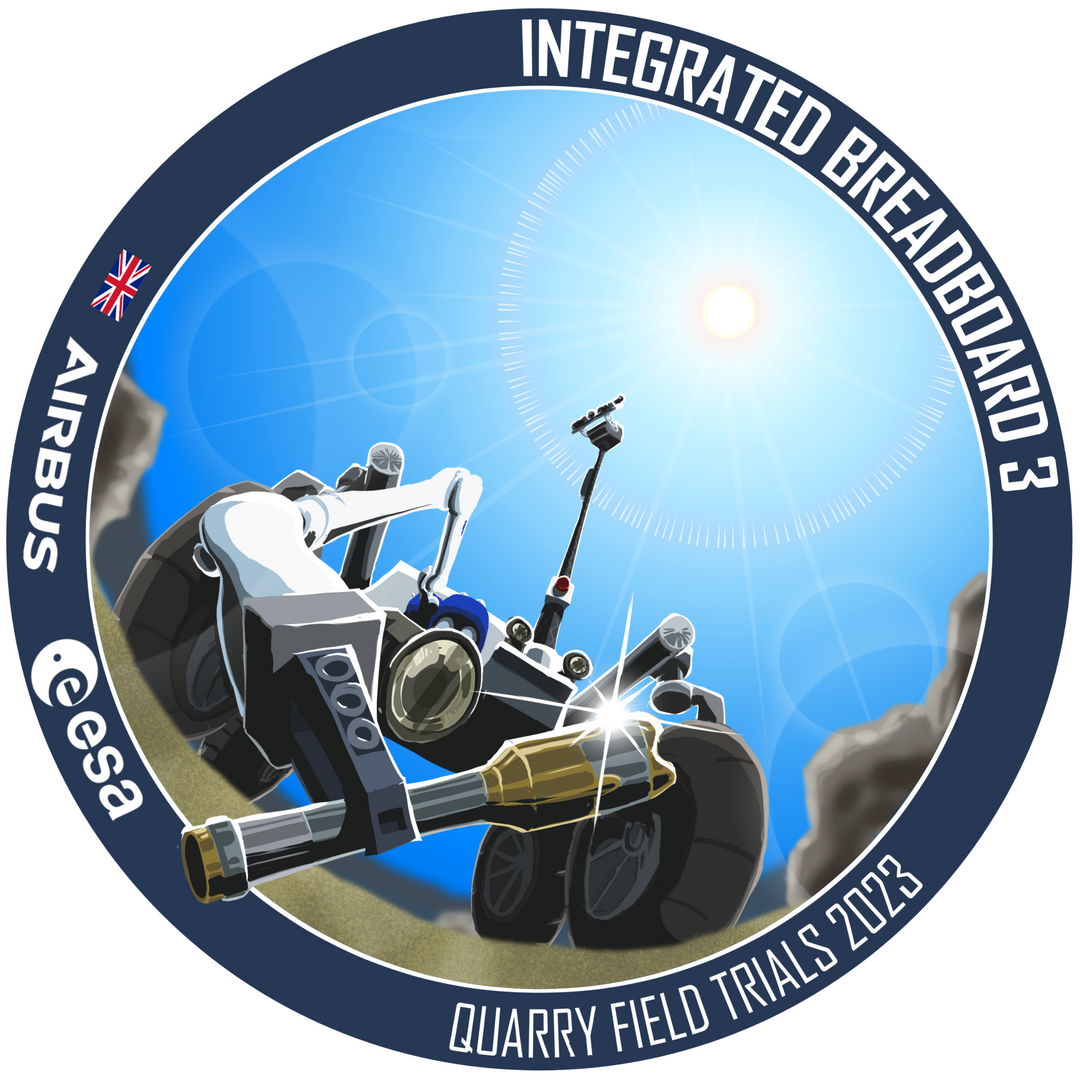
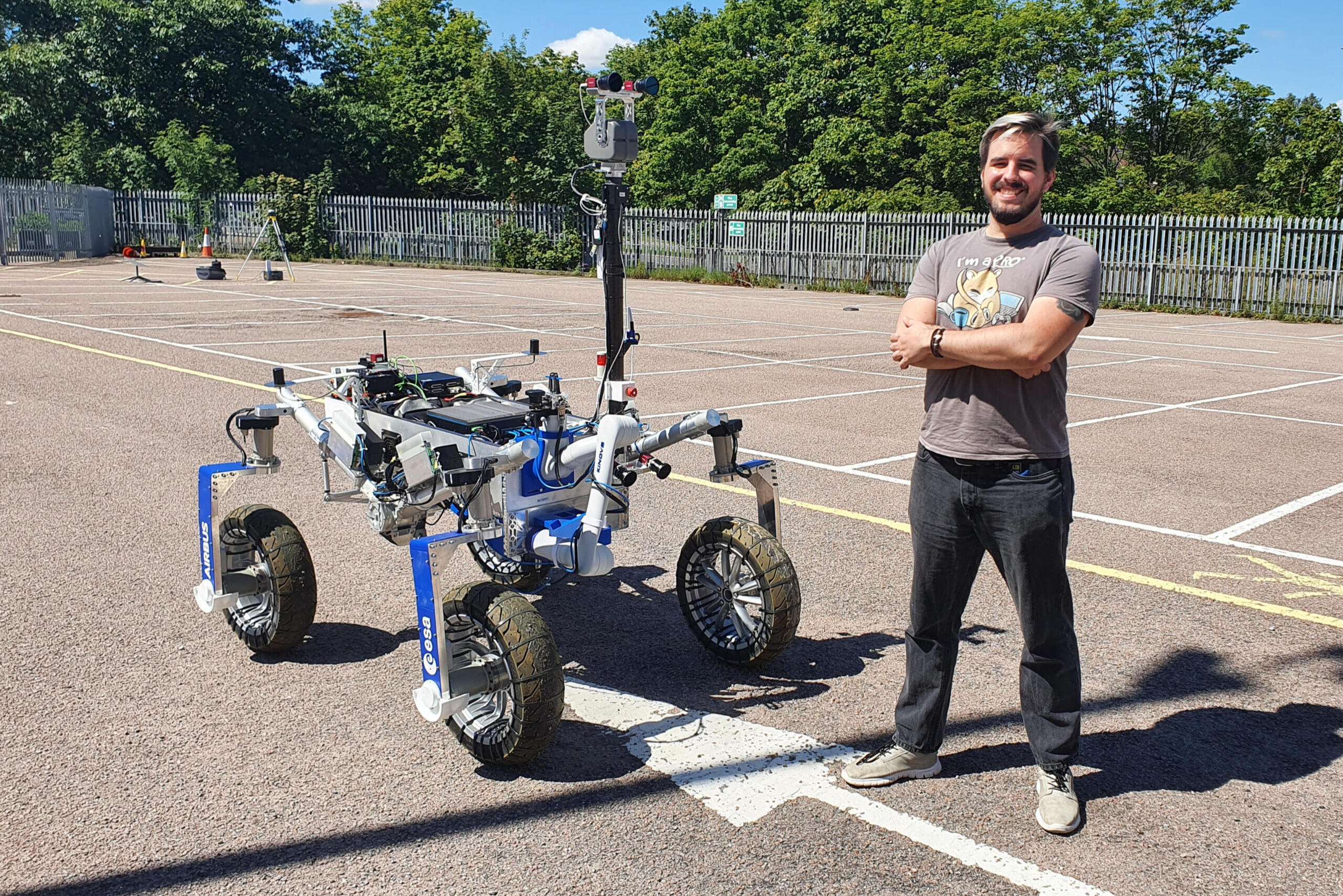


I maintained and improved the rover’s autonomous navigation system, including bug fixing and the development of new navigation functionalities and associated test cases. I also supported indoor and outdoor rover testing, collected image datasets with the rover cameras for sun-detection activities, and analysed test results in MATLAB. In addition, I prepared technical responses to customer RIDs related to the clarification of test reports.
IBB2 - Integrated Breadboard 2

IBB2 focused on validating autonomous rover navigation technologies for the Sample Fetch Rover concept in a realistic outdoor environment. During field trials in a UK quarry, the rover progressively tackled more challenging terrain and autonomy scenarios, culminating in a fully autonomous 300-metre traverse while detecting obstacles, planning safe paths and correcting localisation drift without human intervention.
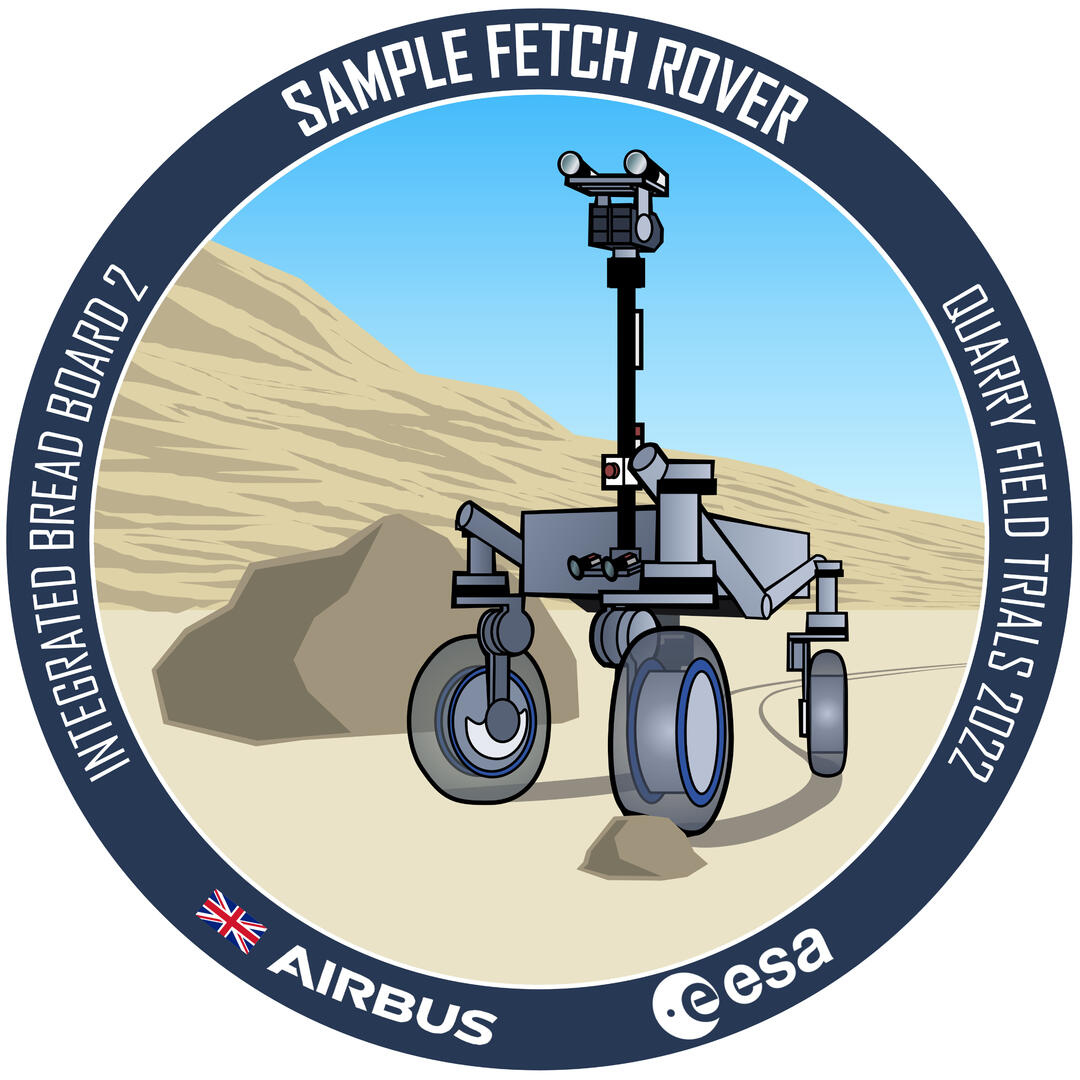
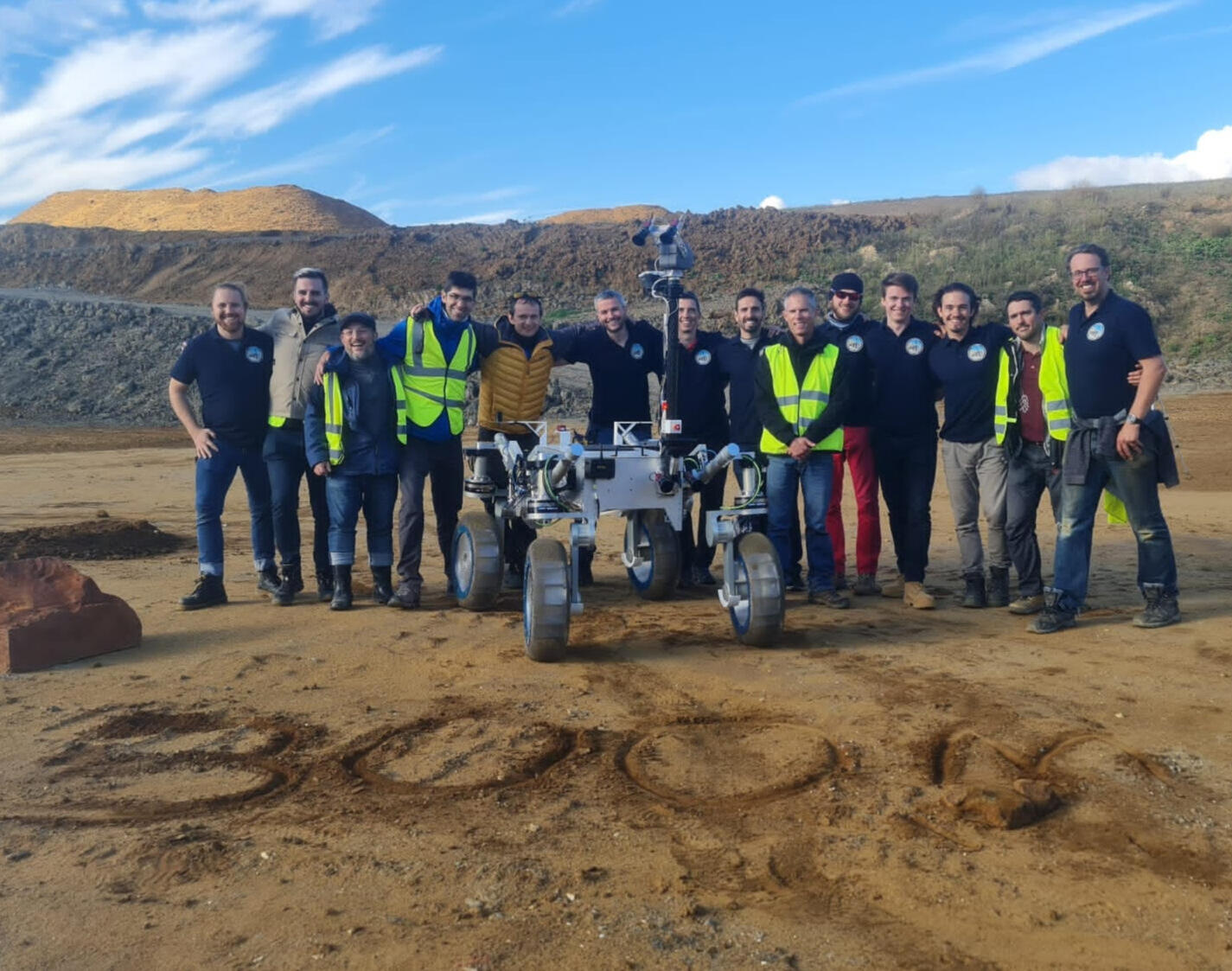
I contributed to the maintenance and improvement of a C-based autonomous navigation software architecture designed to be close to flight software, including work on A*-based path-planning heuristics. I also supported the integration of a Gaisler GR740 development board with a flight-representative LEON4 SPARC processor, worked on terrain reconstruction using a ZED stereo camera and RTAB-Map, and implemented ROS1-based sensor fusion using an EKF combining dual-GNSS data with visual odometry. In addition, I prepared test documentation and reports in Confluence and supported both indoor and outdoor rover testing.
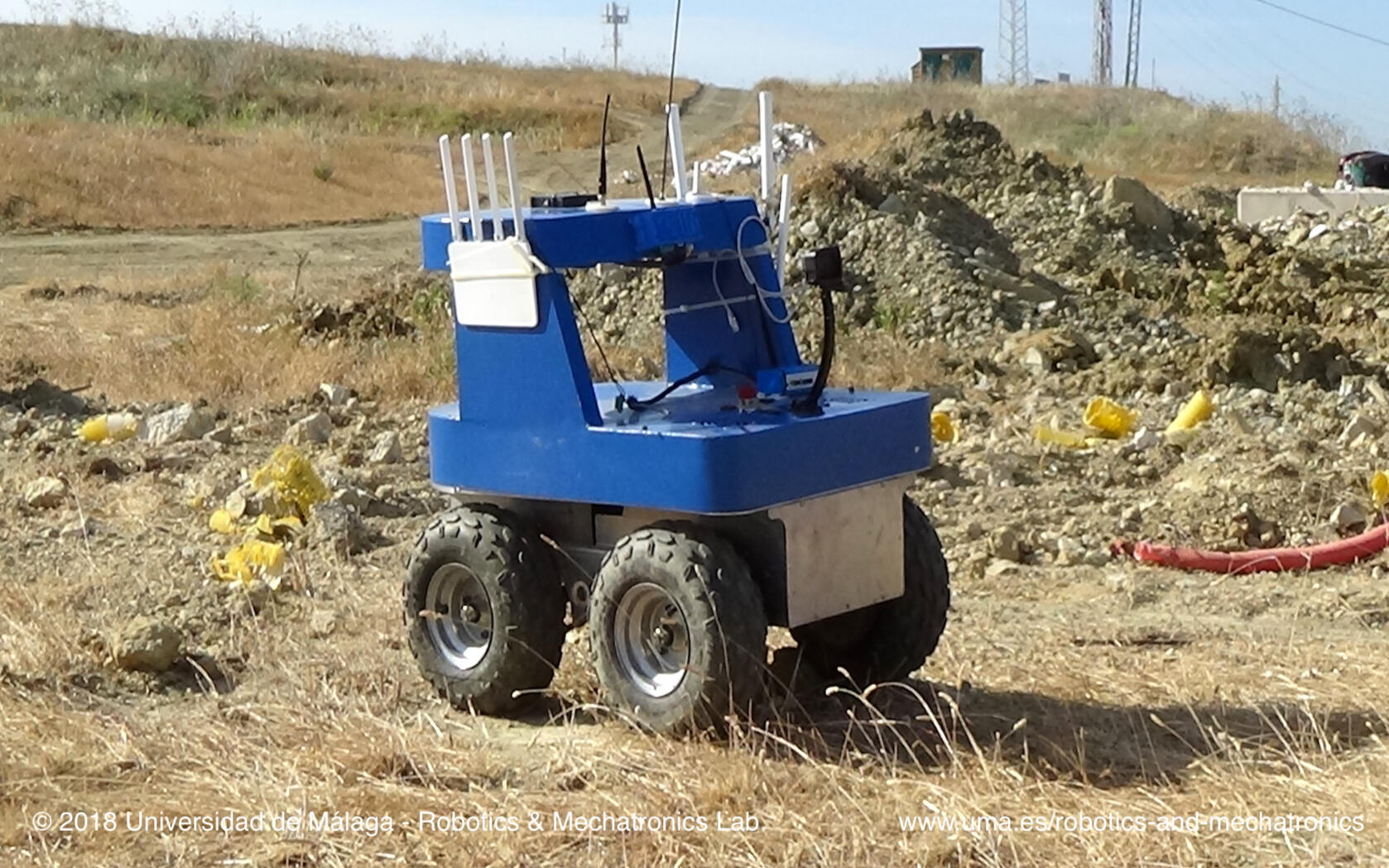
Rescue Robotics Projects: FIRST-ROB and TRUST-ROB

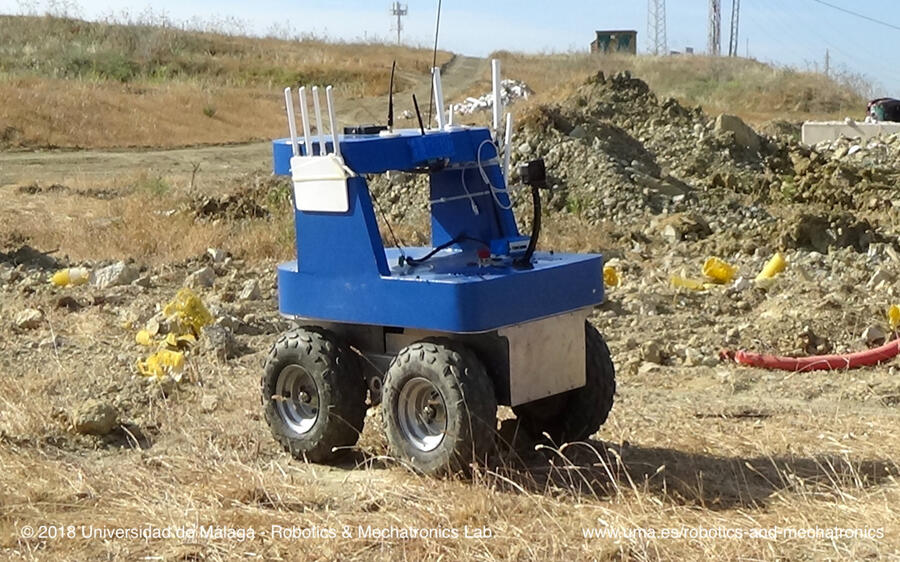
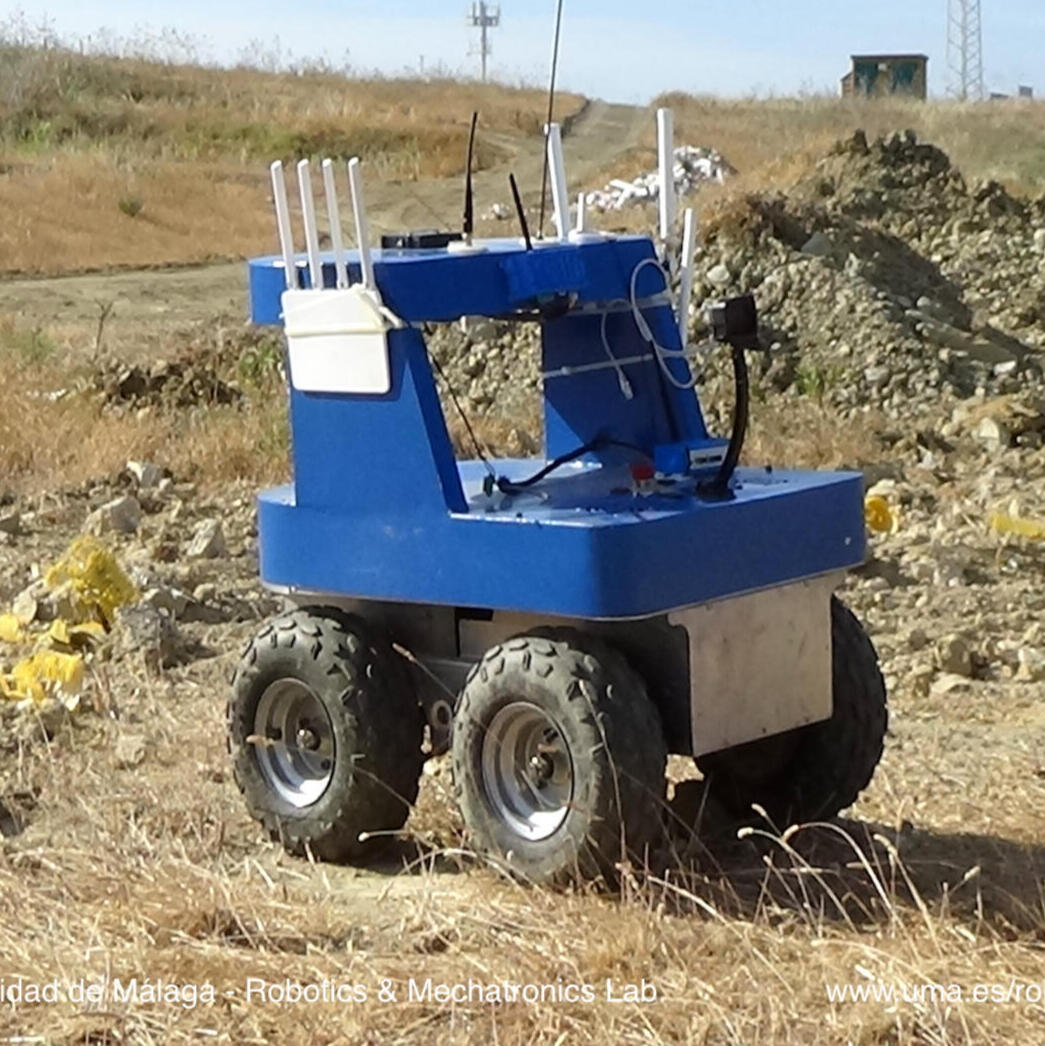
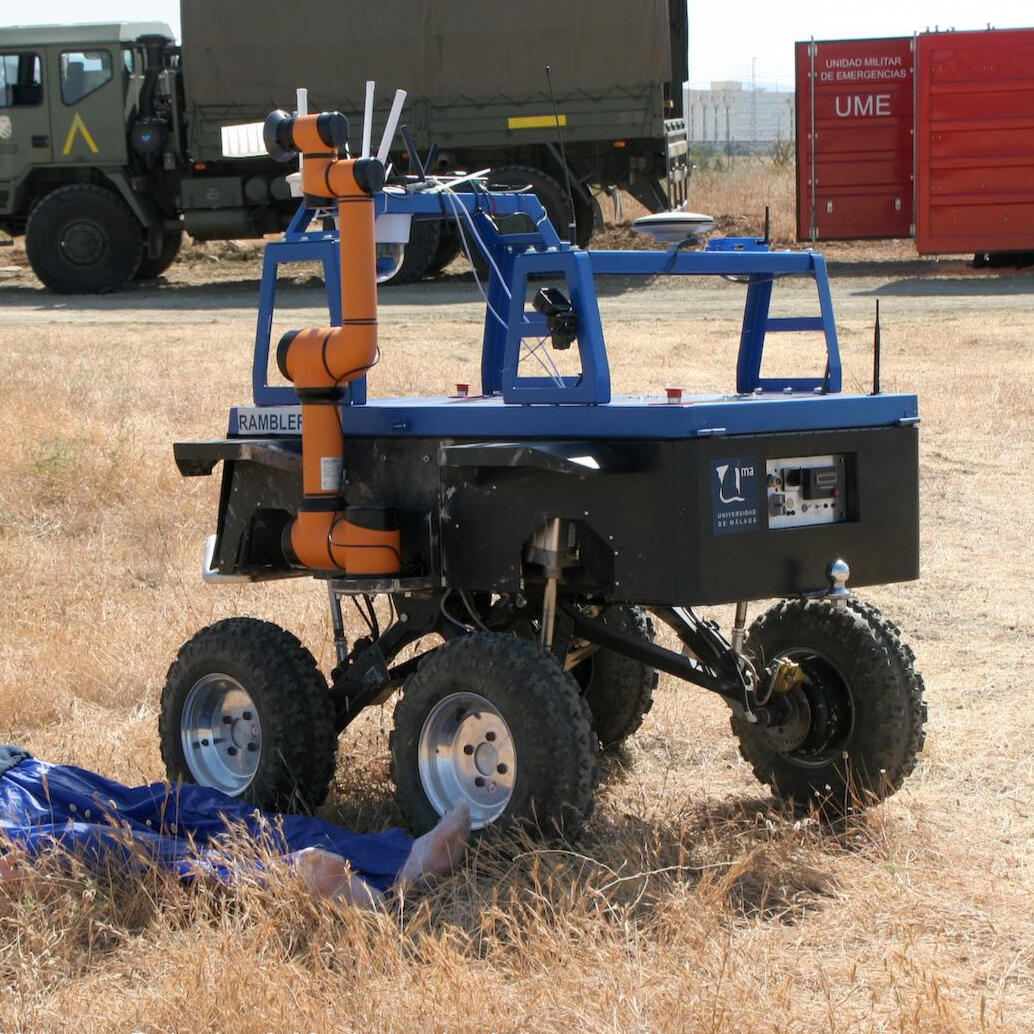
Rescue robotics. Development and implementation of anisotropic path planner for autonomous navigation of mobile robots on irregular terrains.
National research project DPI2015-65186-R
PhD Thesis - Extreme Path Planning for Exploration Mobile Robots
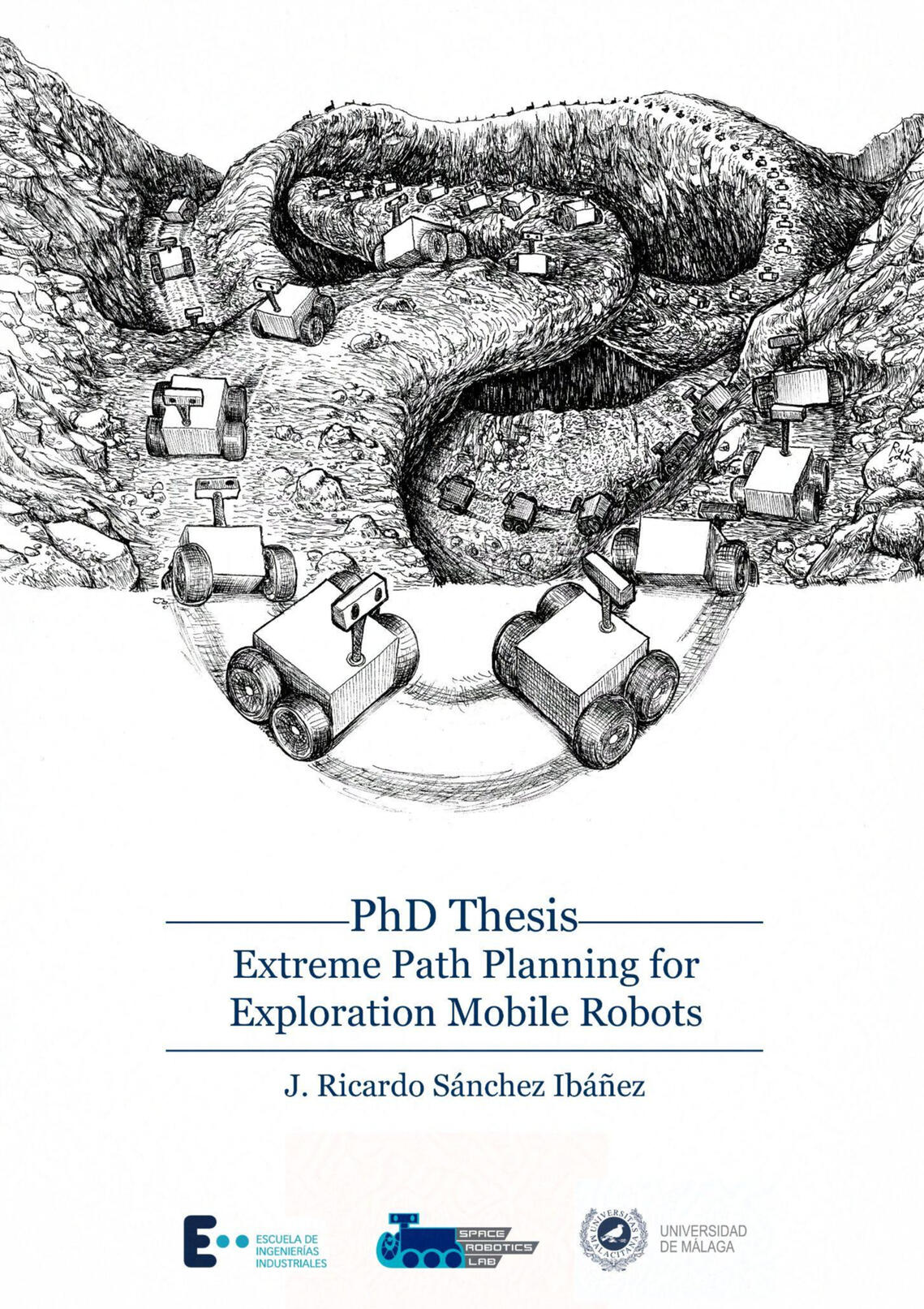
Summary
Increasing autonomy on mobile robots is essential. The main reason is to provide them with the ability to perform operations on their own. This skill is desirable in fields such as planetary exploration or search and rescue operations. Mobile robots could carry out more tasks in a time window by not relying on human intervention. These systems could, for instance, drive longer distances and hence reach more places. Autonomous navigation rests on the use of path planning algorithms. These algorithms generate a path that guides the robot towards a target location. Yet, off-road and unstructured environments can pose a challenge to its locomotion capabilities. Thus, the path planner must address them at the same time as the robot mobility skills. In this way, this algorithm finds the path that minimizes a metric such as energy consumption. Not always precise information describing the environments is complete. The path planner must hence dynamically update the generated path whenever necessary. The robot may deal with terrain elements that were not addressed before in situ. This thesis tackles problems that arise in autonomous navigation on irregular terrains. As a first step, it presents an overview of the existing path planning algorithms. This overview focuses on those algorithms that are compatible with ground mobile robots. It serves to build a classification of the existing approaches. This classification rests on their functionality. In a few words, it tackles the different ways in which path planner model and process the environment and the robot mobility. This thesis puts the focus on some of them that are capable to produce the globally optimal path given a cost map. These are called PDE (Partial Derivative Equation) solving algorithms. How to adapt these algorithms to the autonomous navigation of irregular terrains is the cornerstone of this thesis. It deals first with the use of a path planner along with a reconfigurable robot.